Analysis of Ocean Wave Energy Utilization for Renewable Electricity Generation
Keywords:
Ocean Wave Energy, Renewable Energy, Electricity Generation, Wave Energy Converter, Coastal RegionsAbstract
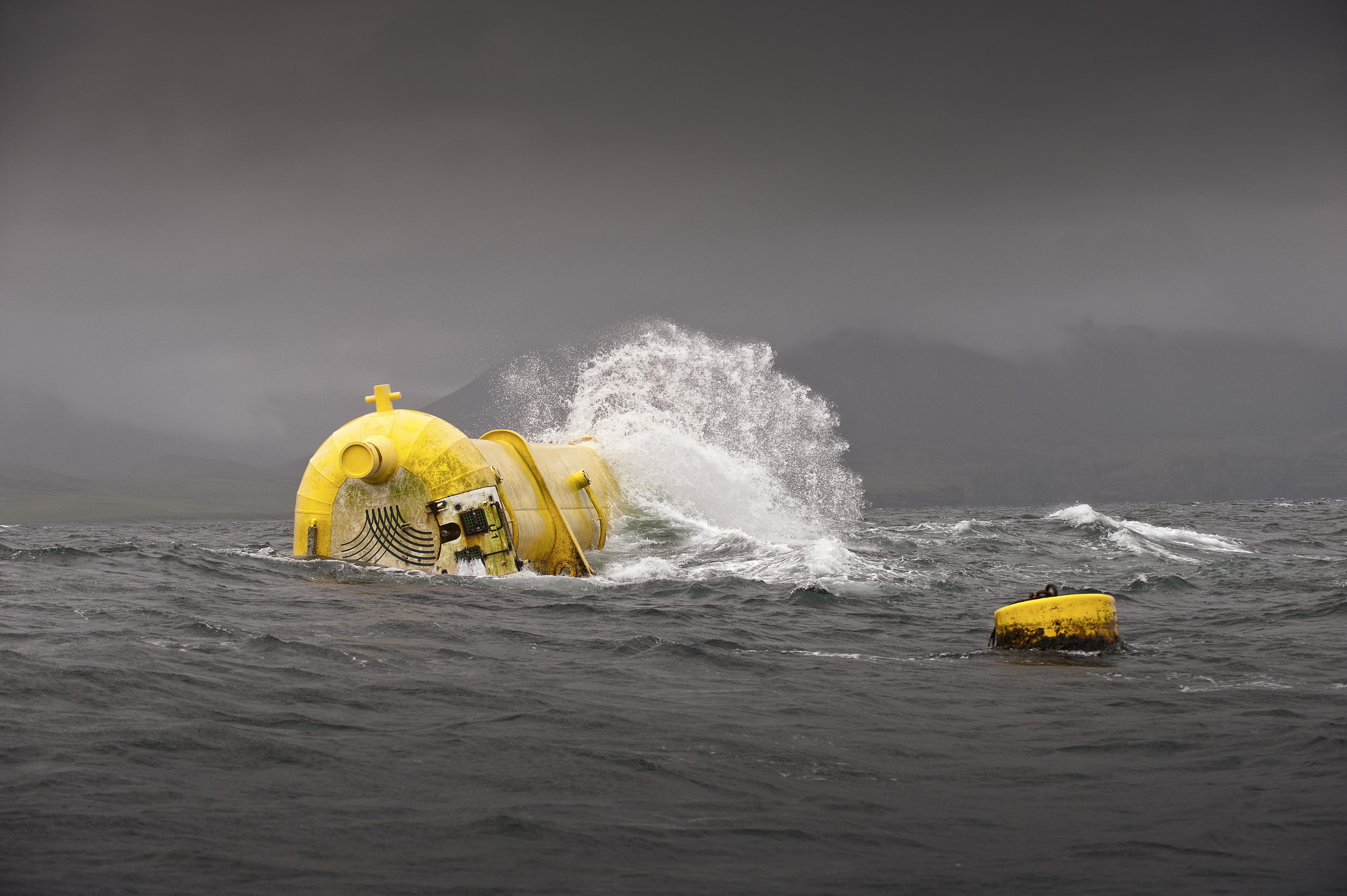
The growing global demand for electricity, coupled with the depletion of fossil fuel reserves and increasing environmental concerns, has accelerated the development of sustainable and low-carbon energy sources. Among the available renewable energy resources, ocean wave energy represents a promising alternative due to its abundant availability and substantial energy potential, particularly in coastal and island regions. This study examines the potential of ocean wave energy as a renewable source of electricity and reviews the technologies employed for its conversion. Through Wave Energy Converter (WEC) systems, the kinetic and potential energy contained in ocean waves can be captured and converted into mechanical energy, which is subsequently transformed into electrical power. The utilization of ocean wave energy offers several potential benefits, including reduced greenhouse gas emissions, decreased dependence on fossil fuels, and increased energy diversification. Nevertheless, its large-scale implementation remains constrained by high capital and maintenance costs, variability in wave conditions, technological limitations, and the corrosive effects of marine environments. Continued technological innovation and further research are therefore essential to enhance conversion efficiency, system reliability, durability, and economic feasibility. The development of effective wave energy technologies could contribute significantly to a more resilient, sustainable, and environmentally responsible future energy system.
References
[1] L. Xu et al., “Resilience of renewable power systems under climate risks,” Nat. Rev. Electr. Eng., 2024, doi: 10.1038/s44287-023-00003-8.
[2] N. Nandalianadhira, M. Hermanto, and R. A. Saputra, “Assessment of Small-Scale Offshore Wave Energy Potential Near Enggano Island for Local Sustainability and Energy Independence,” in IOP Conference Series: Earth and Environmental Science, 2026. doi: 10.1088/1755-1315/1585/1/012023.
[3] H. Bouhrim, R. Nechad, and I. Hajjout, “Ocean Wave Energy Conversion: A Review,” J. Mar. Sci. Eng., 2024, doi: 10.3390/jmse12111922.
[4] A. Majidi, V. Ramos, P. R. Santos, L. Neves, and F. Taveira-Pinto, “Power Production Assessment of Wave Energy Converters in Mainland Portugal,” Renew. Energy, 2025, doi: 10.1016/j.renene.2025.122540.
[5] K. G. S. M. Rathnapriya et al., “Development of a Point Absorber Type Wave Energy Converter Optimised for Sri Lankan Wave Conditions,” Eng. J. Inst. Eng. Sri Lanka, 2026, doi: 10.4038/engineer.v59i2.7744.
[6] M. Bertrand, G. Giannini, A. Majidi, C. Senocq, P. Rosa-Santos, and D. Clemente, “Wave Energy Conversion to Decarbonize Offshore Aquaculture: Multi-Level Techno-Economic Analysis for a Case Study in Peniche, Portugal,” Energies, 2025, doi: 10.3390/en18225934.
[7] S. Beselly, M. Sajali, K. Murakami, and M. Syabana, “Assessment of wave energy resources and optimal WEC site selection on the south coast of Malang East Java,” in IOP Conference Series: Earth and Environmental Science, 2026. doi: 10.1088/1755-1315/1593/1/012044.
[8] A. Ziaei, H. Said, and J. Ringwood, “Health-Aware Economic Model Predictive Control of Wave Energy Converters Based on a Reliability Metric,” IEEE Open J. Control Syst., vol. 5, pp. 227–242, 2026, doi: 10.1109/ojcsys.2026.3685925.
[9] W. Sabry, M. Abdel-Basset, K. Sallam, I. Alrashdi, and I. Radwan, “A Robust Framework for Assessing Sustainable Technologies for Efficient Wave Energy Harvesting at Potential Plant Sites,” Int. J. Energy Res., vol. 2025, 2025, doi: 10.1155/er/1089528.
[10] D. Satrio et al., “Modified Floater of Heaving Device Wave Energy Converter (WEC),” Pomorstvo, 2025, doi: 10.31217/p.39.1.10.